The landscape of modern digital entertainment features a variety of simple yet engaging wagering formats that appeal to broad audiences worldwide. Among the most recognizable options are High Low and Odd Even number game markets, which streamline complex probability into straightforward choices. Exploring how these intuitive mechanics operate helps players understand their distinct structure, strategic balance, and overall role in contemporary gaming platforms.
Understanding the Fundamentals of Binary Number Markets
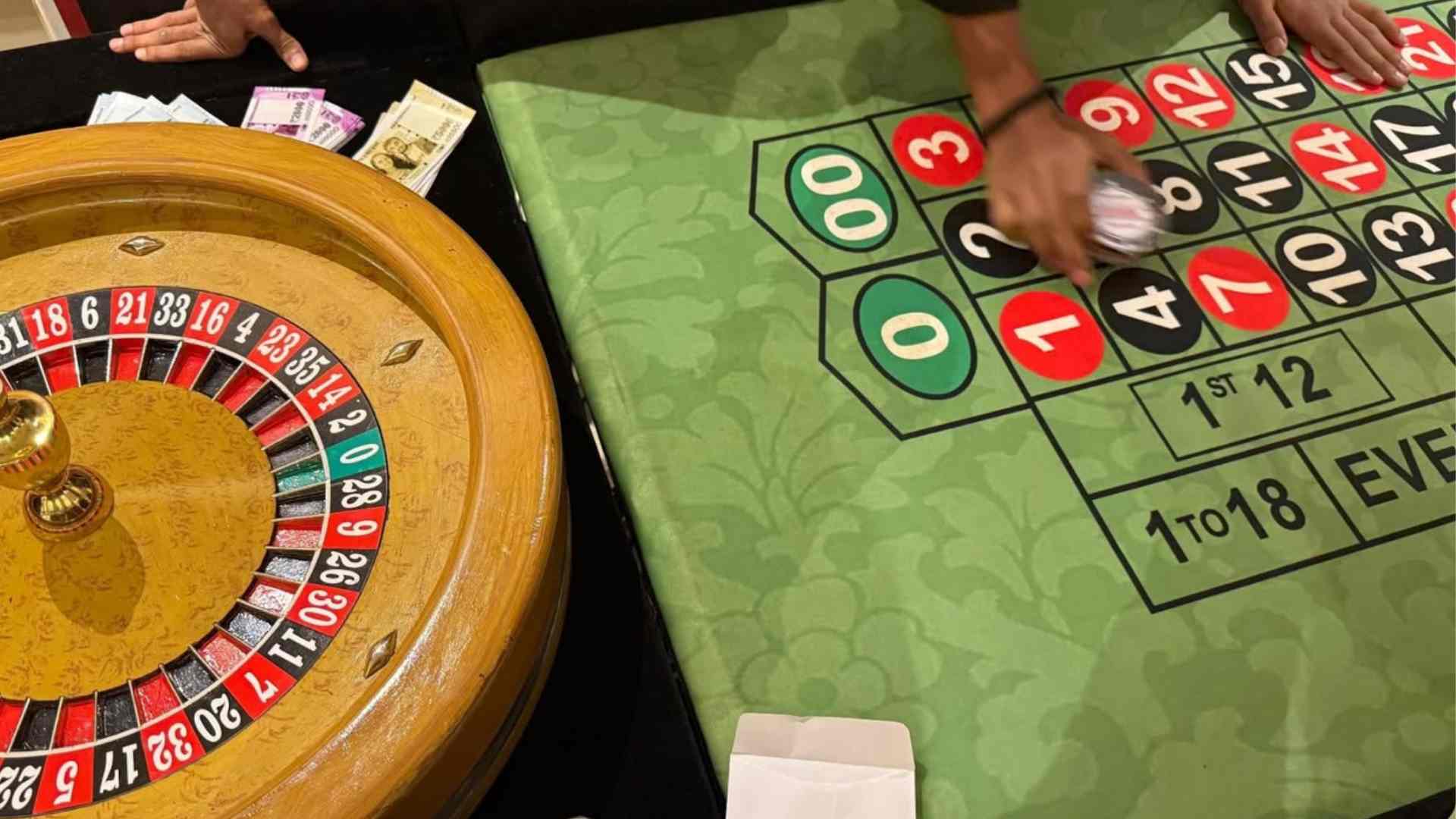
High Low and Odd Even options split all potential draw results into balanced outcomes. In an Odd Even selection, participants predict whether the final tally or winning digit will be divisible by two, offering a crisp two-choice decision. Similarly, High Low divides the number field into an upper and lower half, giving players an equal split across the entire spectrum.
These markets eliminate the need to pinpoint exact numeric outcomes, which makes them uniquely accessible for beginners. Because the options focus on broad categories, sessions progress quickly while maintaining consistent engagement. This straightforward design reduces decision fatigue and creates an approachable entry point into daily number entertainment.
Comparing Dynamics Between High Low and Odd Even Mechanics
While both formats share similar binary payout structures, their statistical distribution and visual tracking differ slightly. High Low bets depend on where a drawn number falls relative to a fixed midpoint threshold. In contrast, Odd Even selections focus on numerical parity, meaning every individual digit across the range alternates between the two available outcomes regardless of scale.
Analyzing these subtle differences allows players to adapt their preferred tracking style during active draws. Some enthusiasts prefer evaluating range trends, whereas others enjoy following alternating sequence patterns over extended sessions. Recognizing how these mechanics function ensures users remain fully aware of their session dynamics.
The Mathematical Reality of Odds and Independence
Behind the simple interface of these number markets lies a strict mathematical foundation based on random selection. Every individual draw in a certified digital game operates as an independent event, meaning historical occurrences do not bias future results. Understanding this principle prevents common misconceptions, such as assuming a long streak of odd numbers guarantees an even result next.
Digital platforms utilize audited random number generators to ensure complete transparency across all rounds. Because payouts are set near equal money, the mathematical expectation remains stable throughout continuous play. Recognizing the underlying probabilities helps participants enjoy the experience with realistic expectations and informed awareness.
Promoting Safe and Responsible Session Management
Maintaining a disciplined approach is essential when participating in fast-paced binary number games. Setting predetermined budget limits and time parameters ensures that digital gaming remains a safe and enjoyable form of recreation. Responsible participants treat these markets purely as casual entertainment rather than a predictable financial venture.
By prioritizing self-control and clear boundaries, players can experience the fun of rapid draw games without chasing short-term fluctuations. Modern platforms continue to support responsible play by providing session tracking tools and self-limitation features. A balanced mindset ensures a sustainable and positive experience across all types of interactive number gaming.